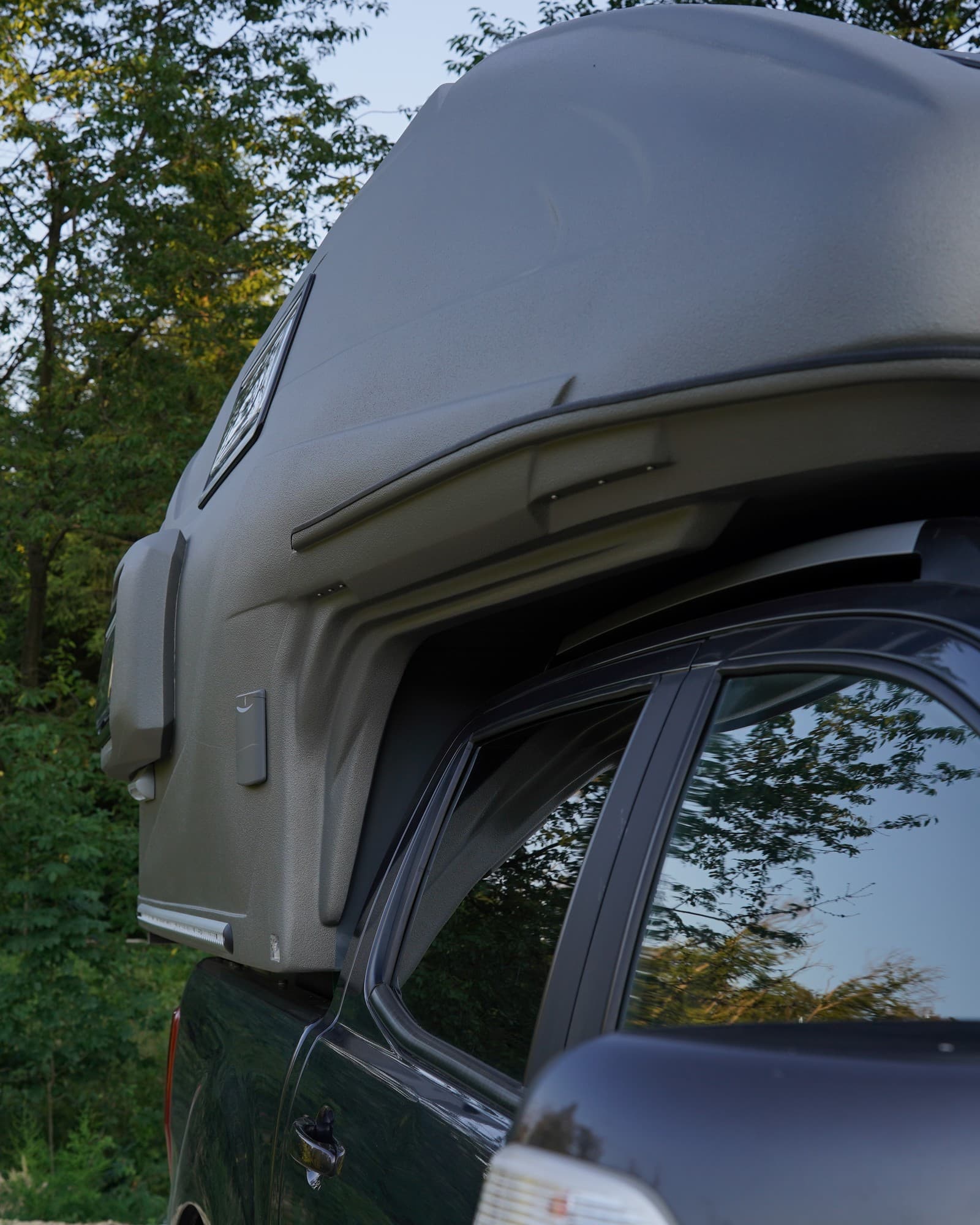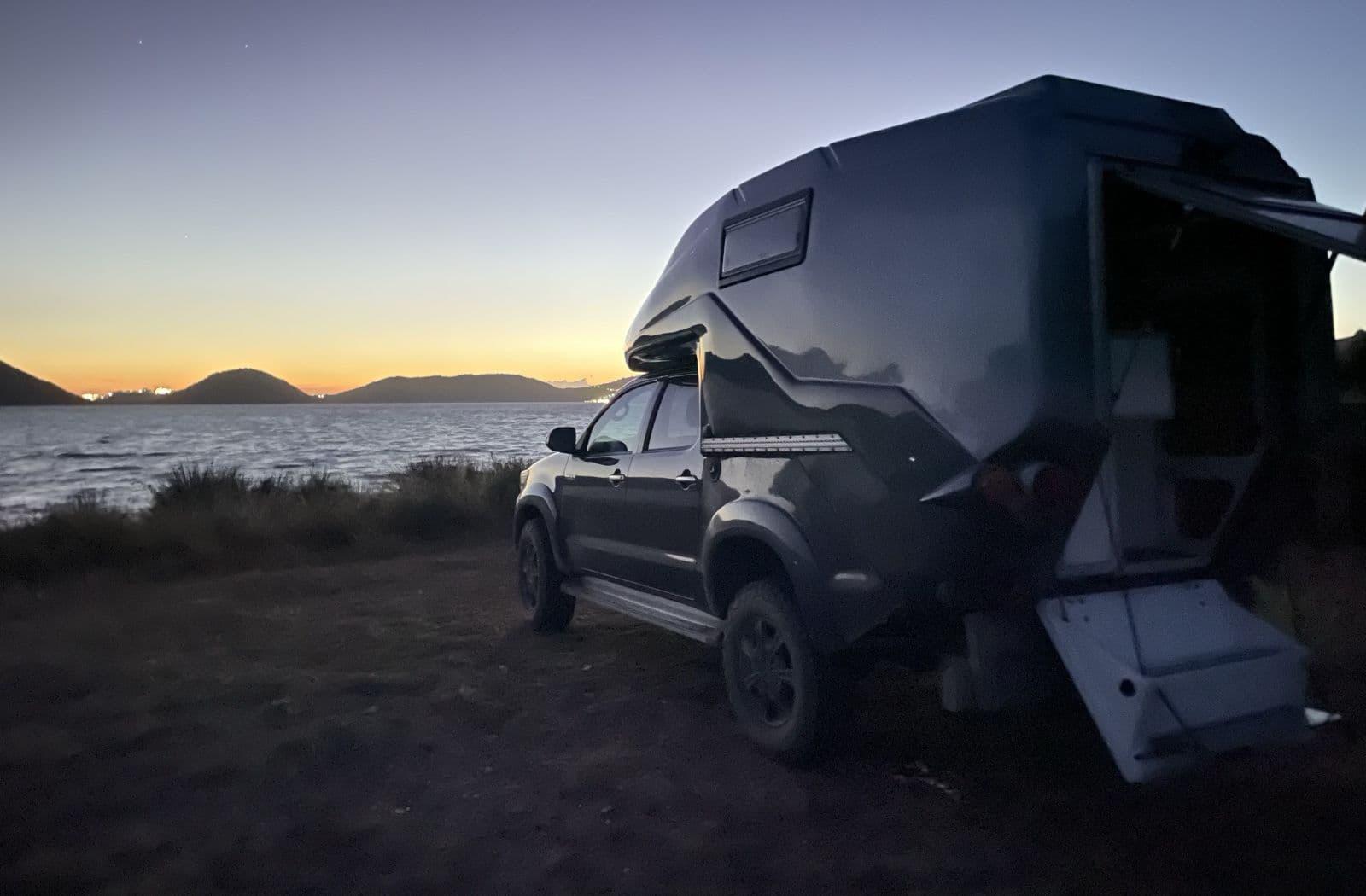
Shaped by the desert.
More than 30 years, one conviction: a camper must be light, stay sealed and last longer than the vehicle beneath it.
The origin
Born where material forgives no mistakes.
geocar's roots lie in Libya, where heat, dust and corrugated tracks test every construction mercilessly. Building there teaches quickly: bonded panels fatigue, seams tear, thermal bridges sweat. A one-piece shell does none of that.
From that experience came a principle, from the principle a company. Today geocar designs and builds with the same uncompromising approach the desert demanded then.
Milestones
From 1982 to today.
Four decades of vehicle building, one thread: lighter, tighter, more durable. From bodywork through the first demountable camper to today's model family.
1982
CDS Car Design Studio
It begins with automotive design and bodywork, including rally parts. Here develops the feel for form, material and weight that still defines geocar.
1989
First expedition: Libya
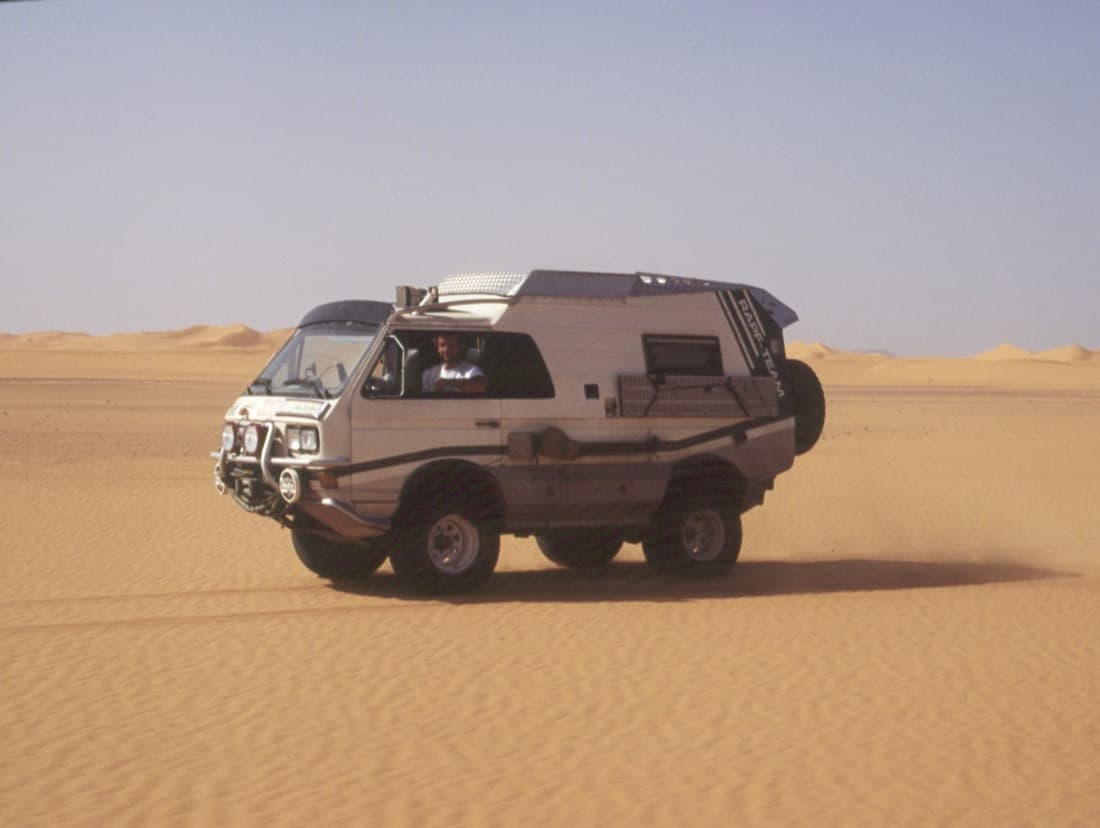
The first complete vehicle conversion: a Mitsubishi L300 equipped for an expedition to Libya. Desert, dust and corrugated tracks become the school of uncompromising lightweight build.
1992
The first demountable camper
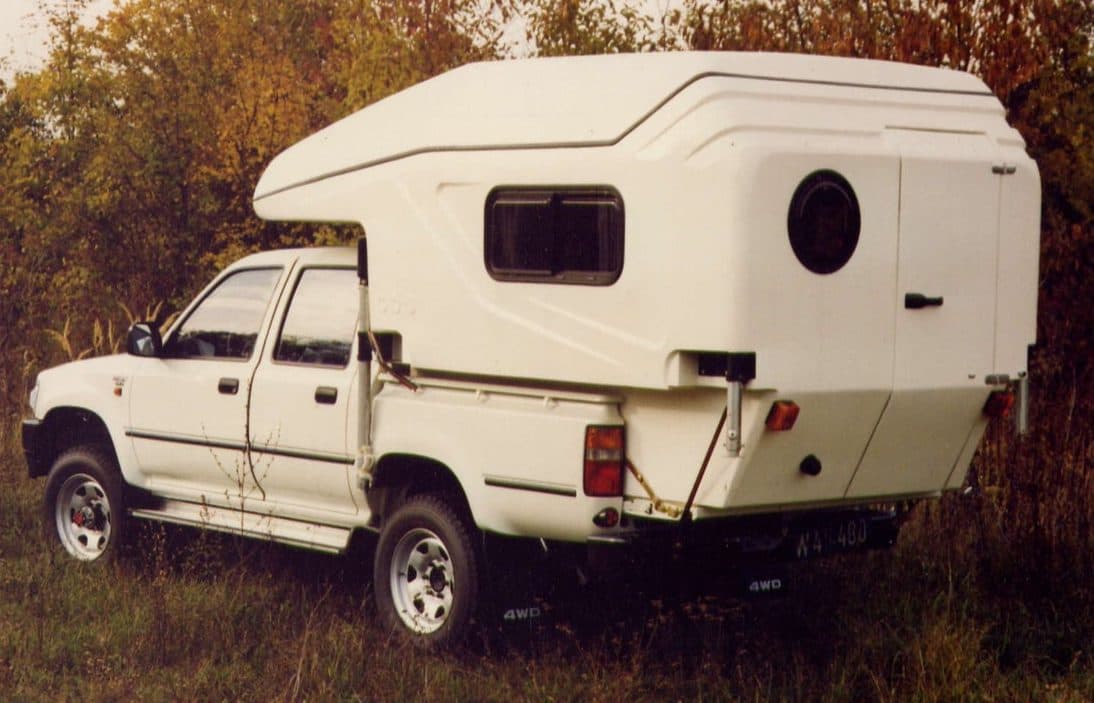
Arno Klenkhart designs and builds the first pickup demountable camper. An early VIKUNJA on a Mitsubishi L200, furniture already in GFRP.
1996
CDS becomes GEOCAR
The name changes, the ambition stays: vehicles and campers that outlast the terrain they cross.
1998
The first Vikon
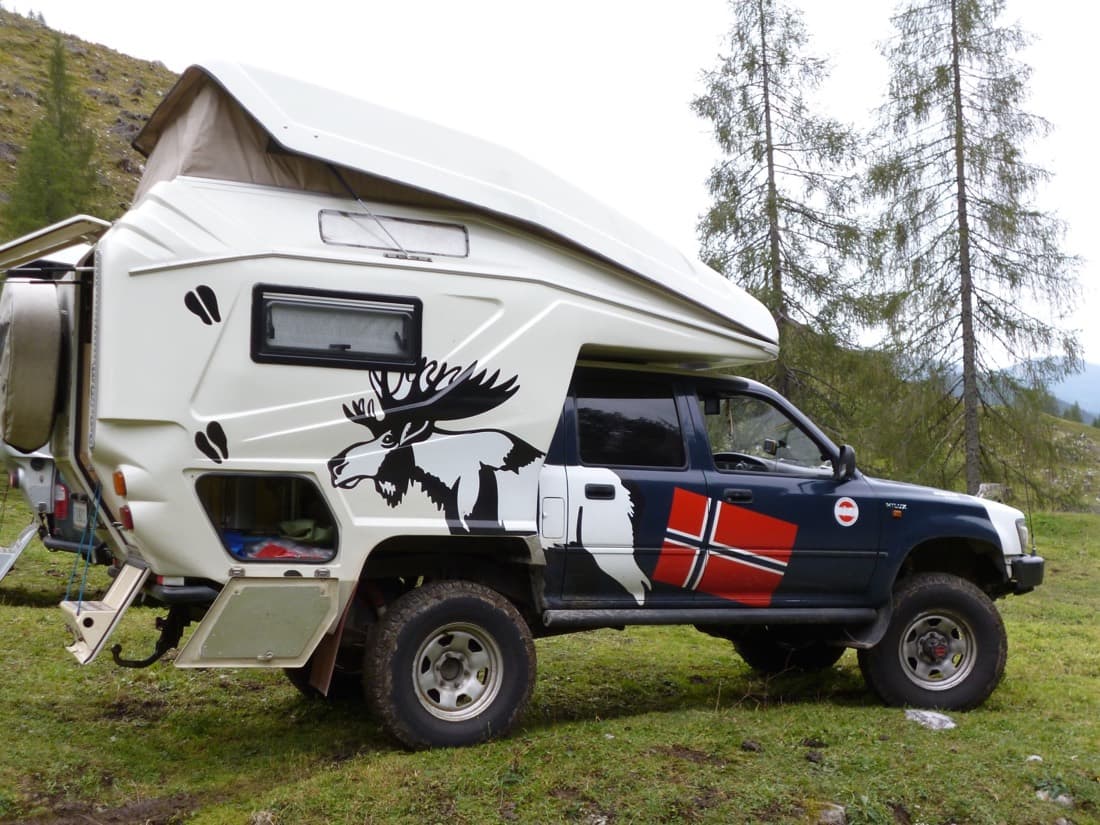
The Vikon brings the first permanently bed-mounted camper, optimised for storage and balanced weight distribution.
2008
Condor
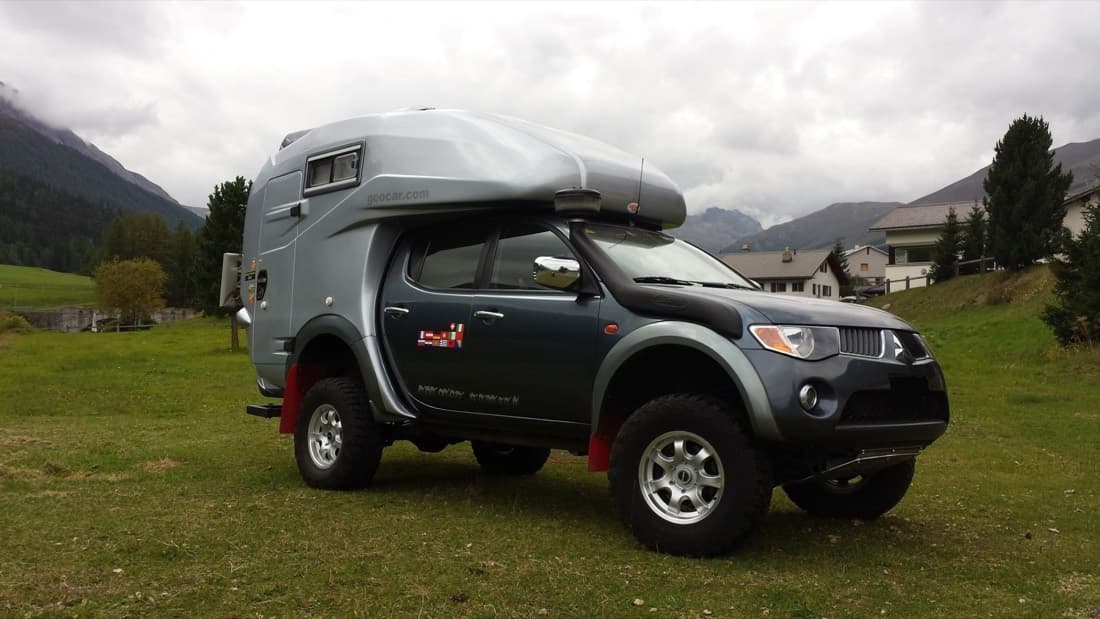
After nearly two years of development and prototyping, the Condor is ready — tailored for the Mitsubishi L200.
2011
Condor Plus
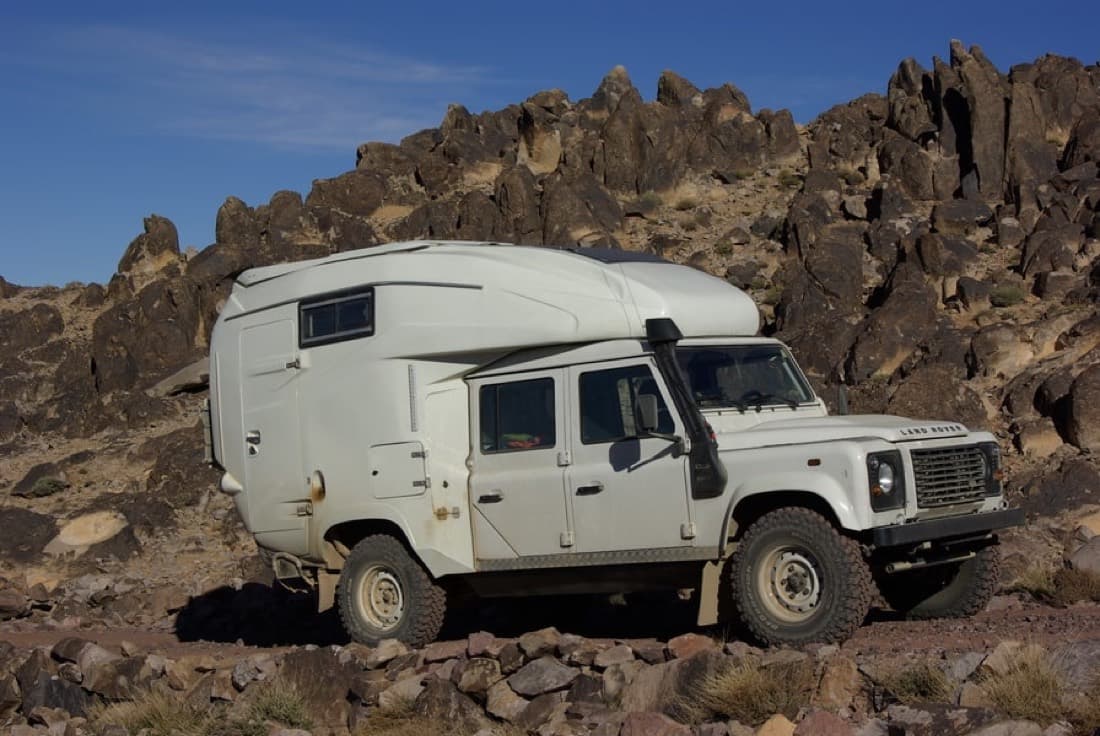
The Condor Plus grows: 10 cm wider, alcove extended by 30 cm — more space for larger vehicles and longer journeys.
2014
VIKUNJA, reimagined
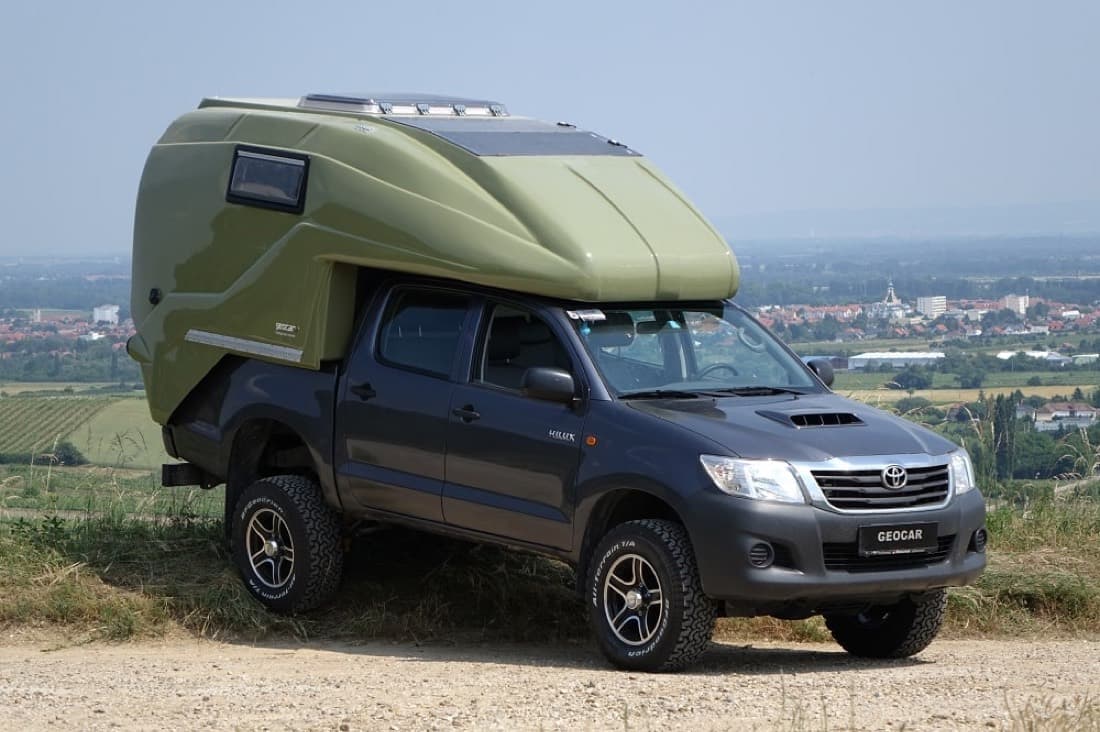
The VIKUNJA is fully redesigned, adopting Condor Plus design elements — a major step toward today's design language.
2015
geocar gmbh · Bad Vöslau
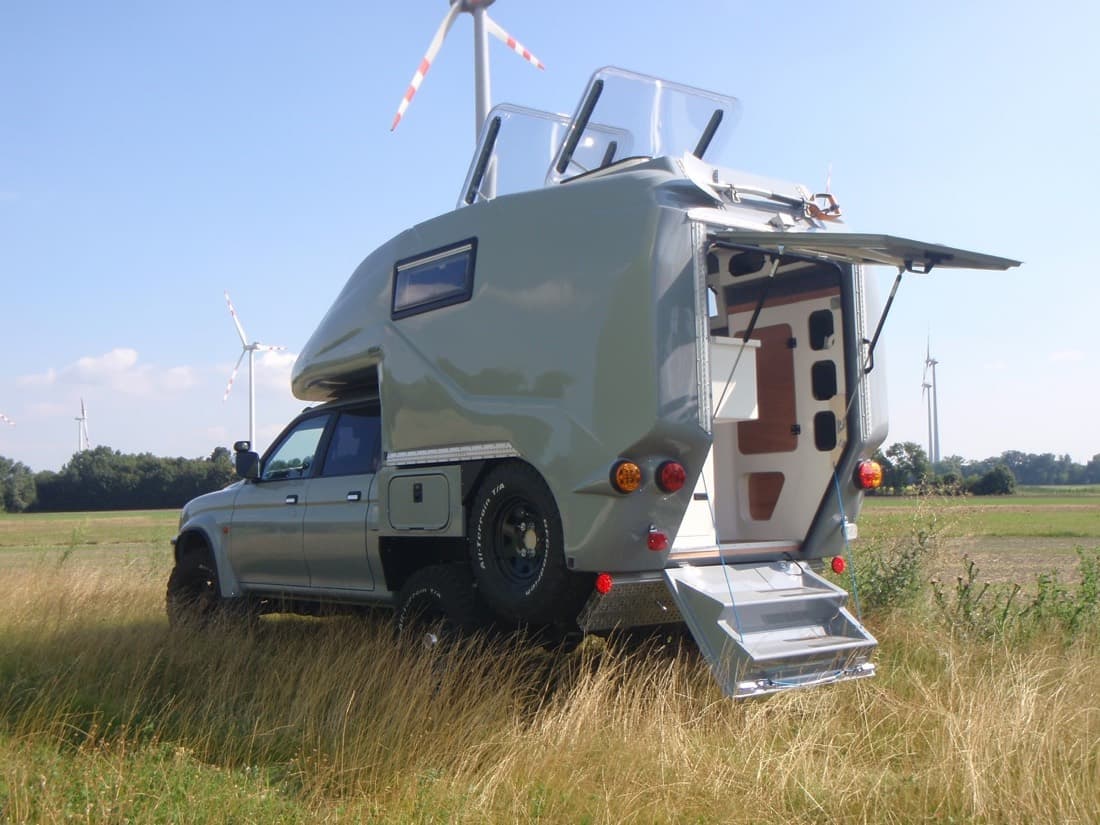
The new Vikon generation arrives with wide rear entry. The same year geocar gmbh is founded and production moves from Traiskirchen to Bad Vöslau.
Today
Three models, one ambition
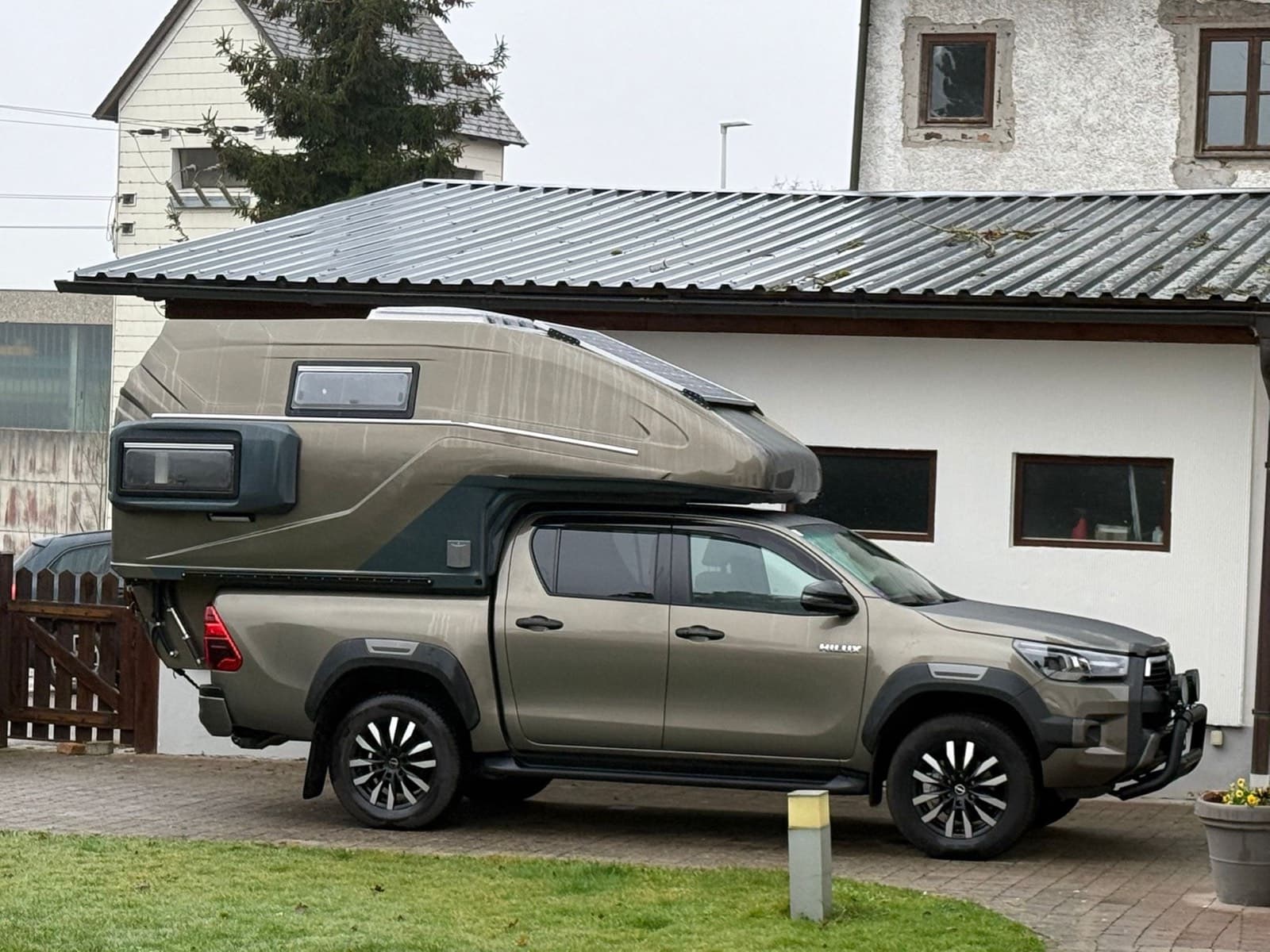
Decades of experience shape today's family: PAKA as the lighter purist model with a separating toilet, APOLLON with a large kitchen and maximum sense of space without a wet room, and TAPIR with a wet room and sealed toilet. All three use genuine GFRP monocoque construction.
Historical photos from the geocar archive.
Impressions
From classic to today.
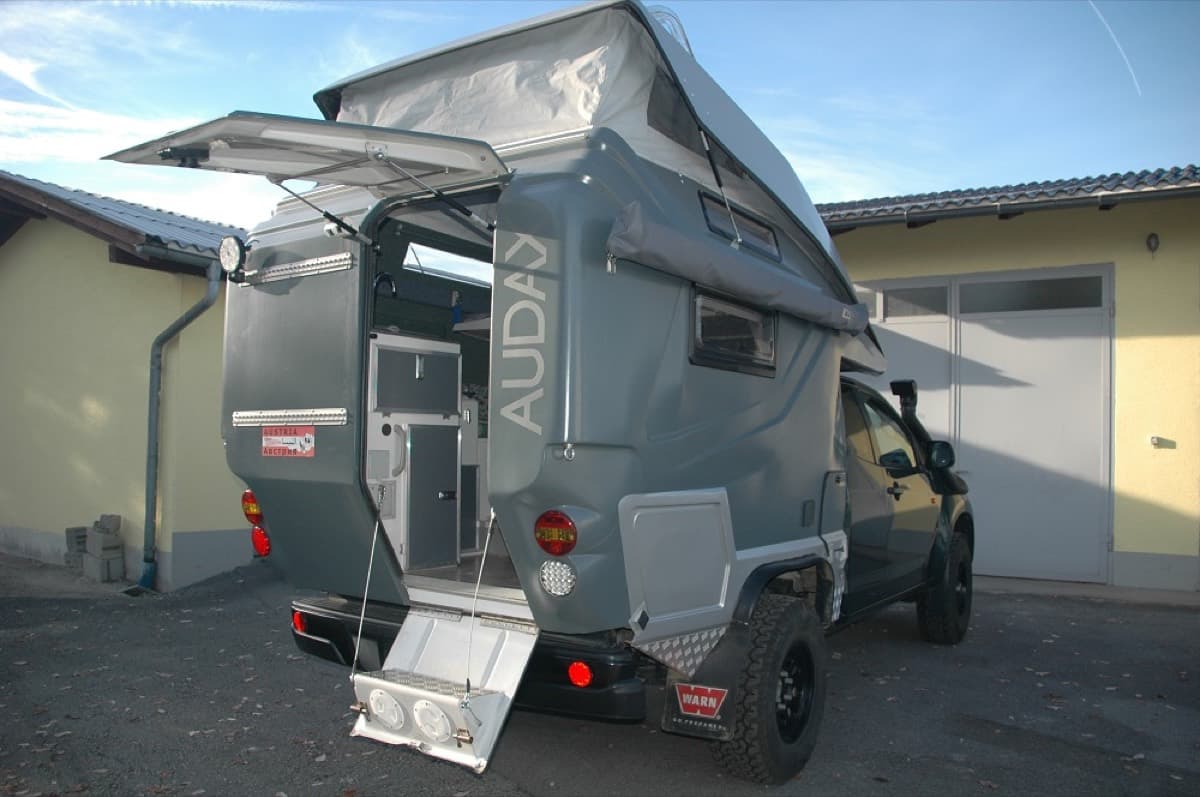
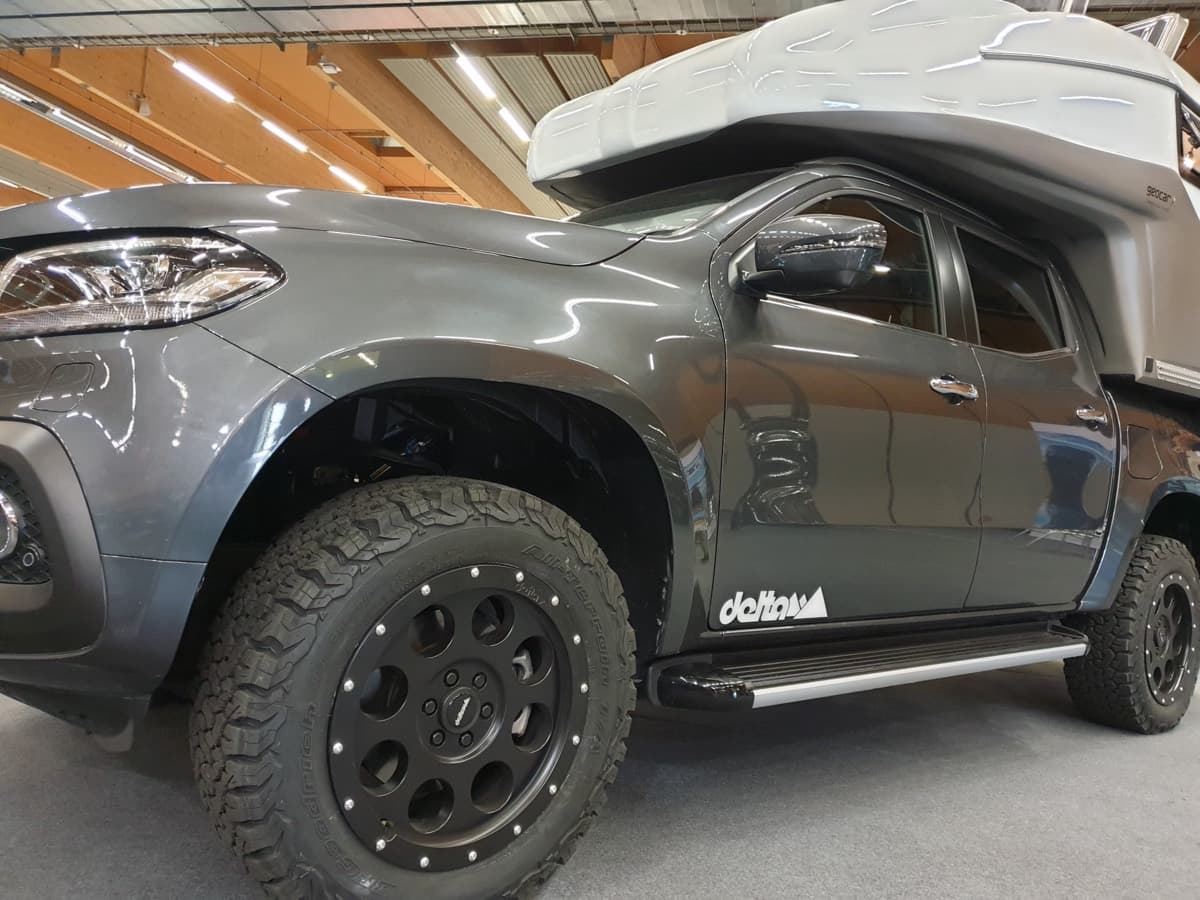
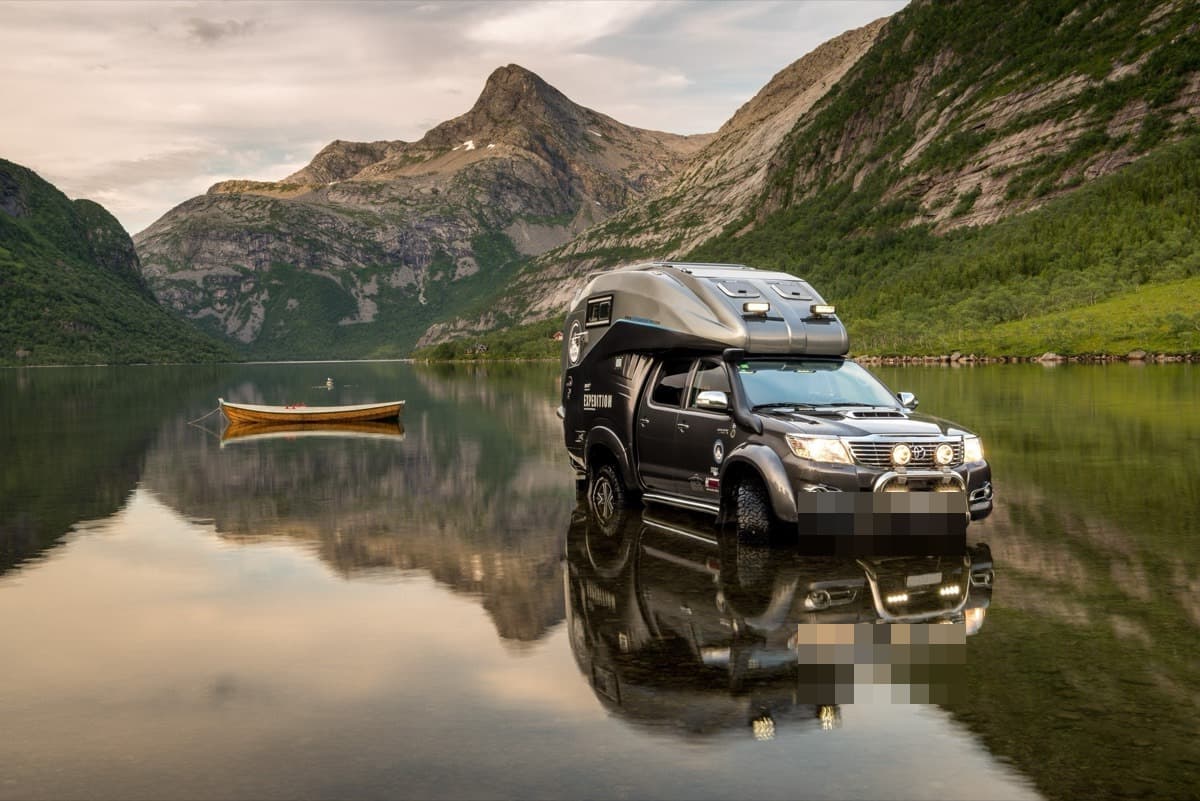
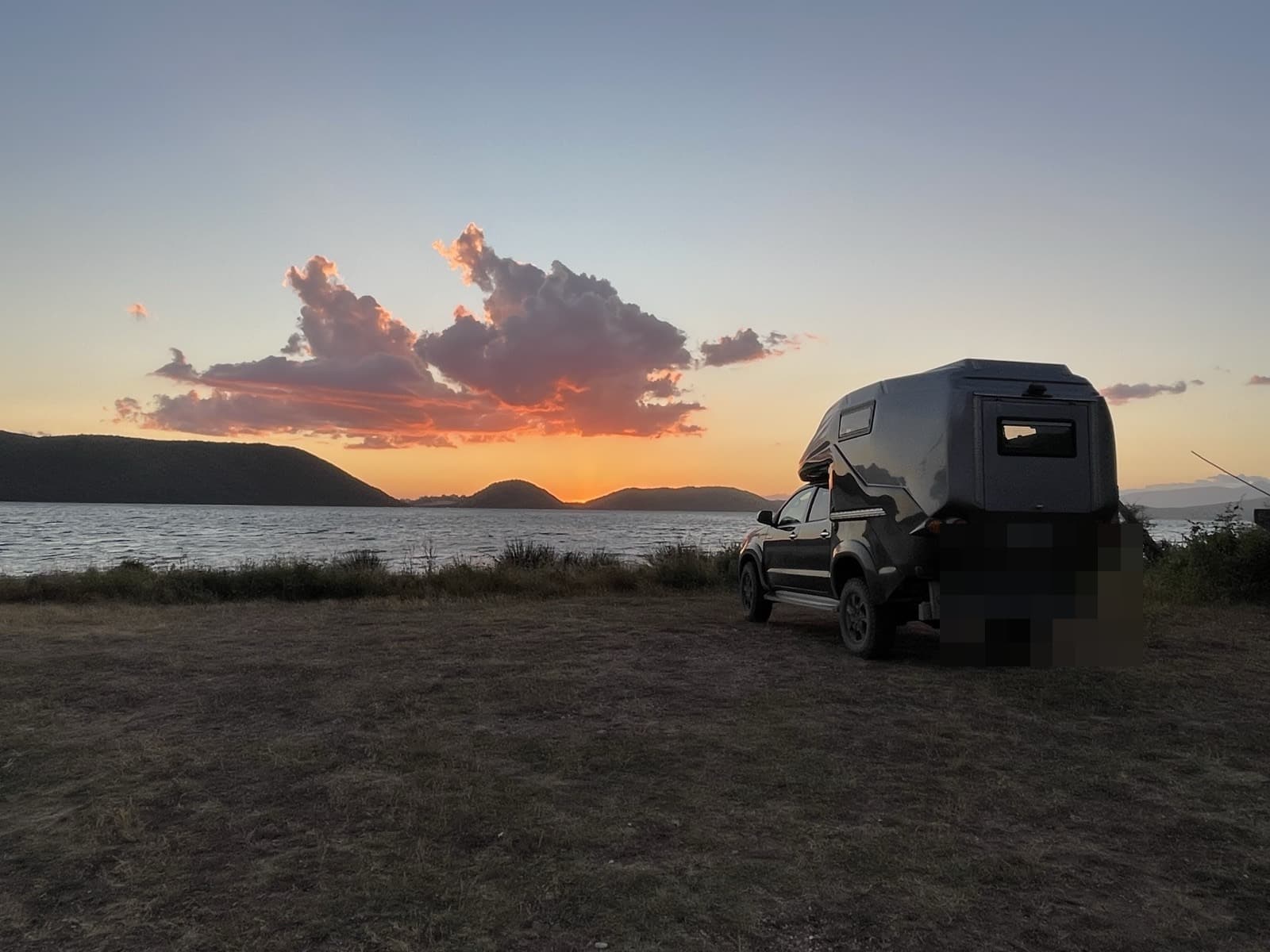
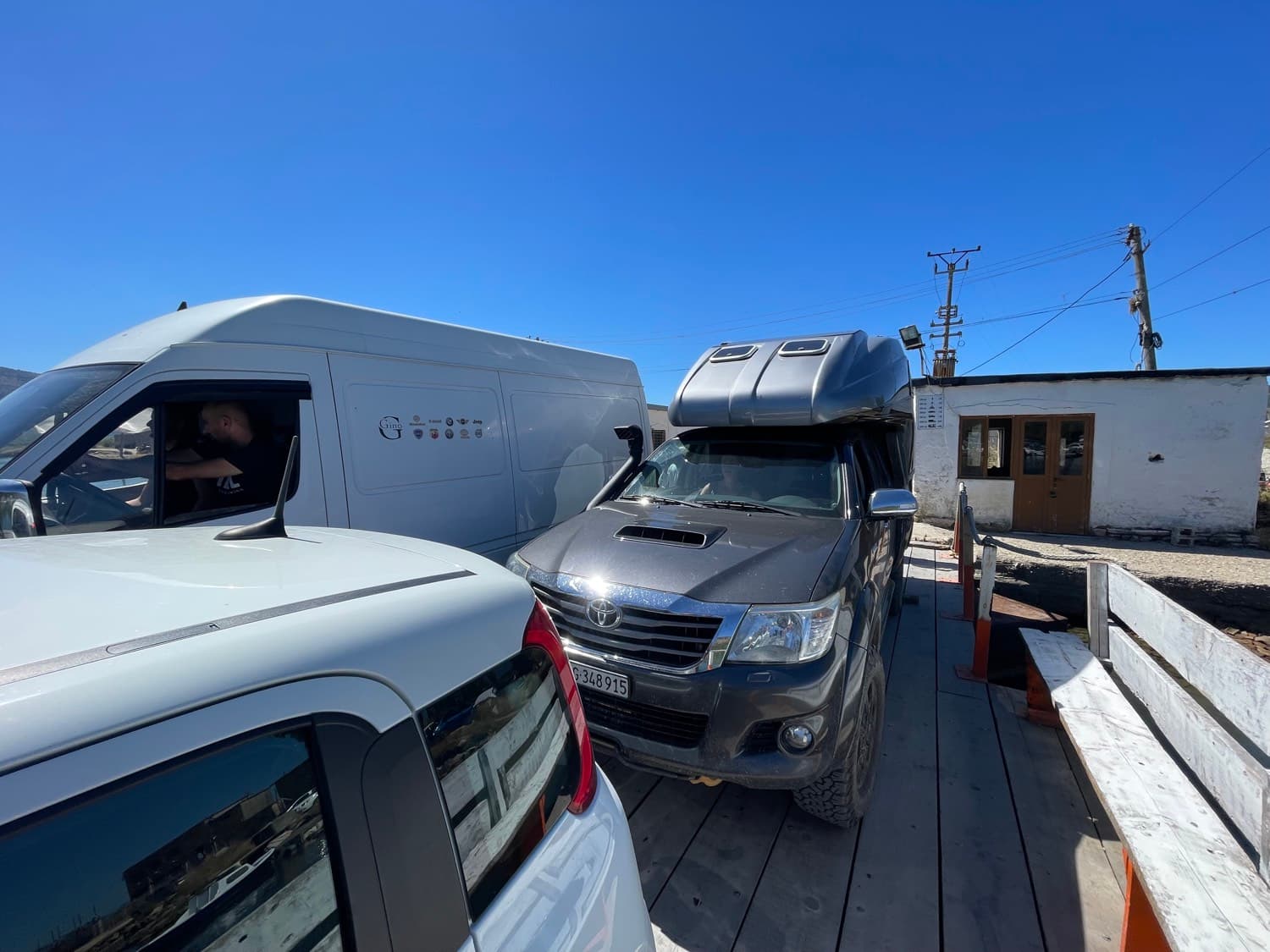
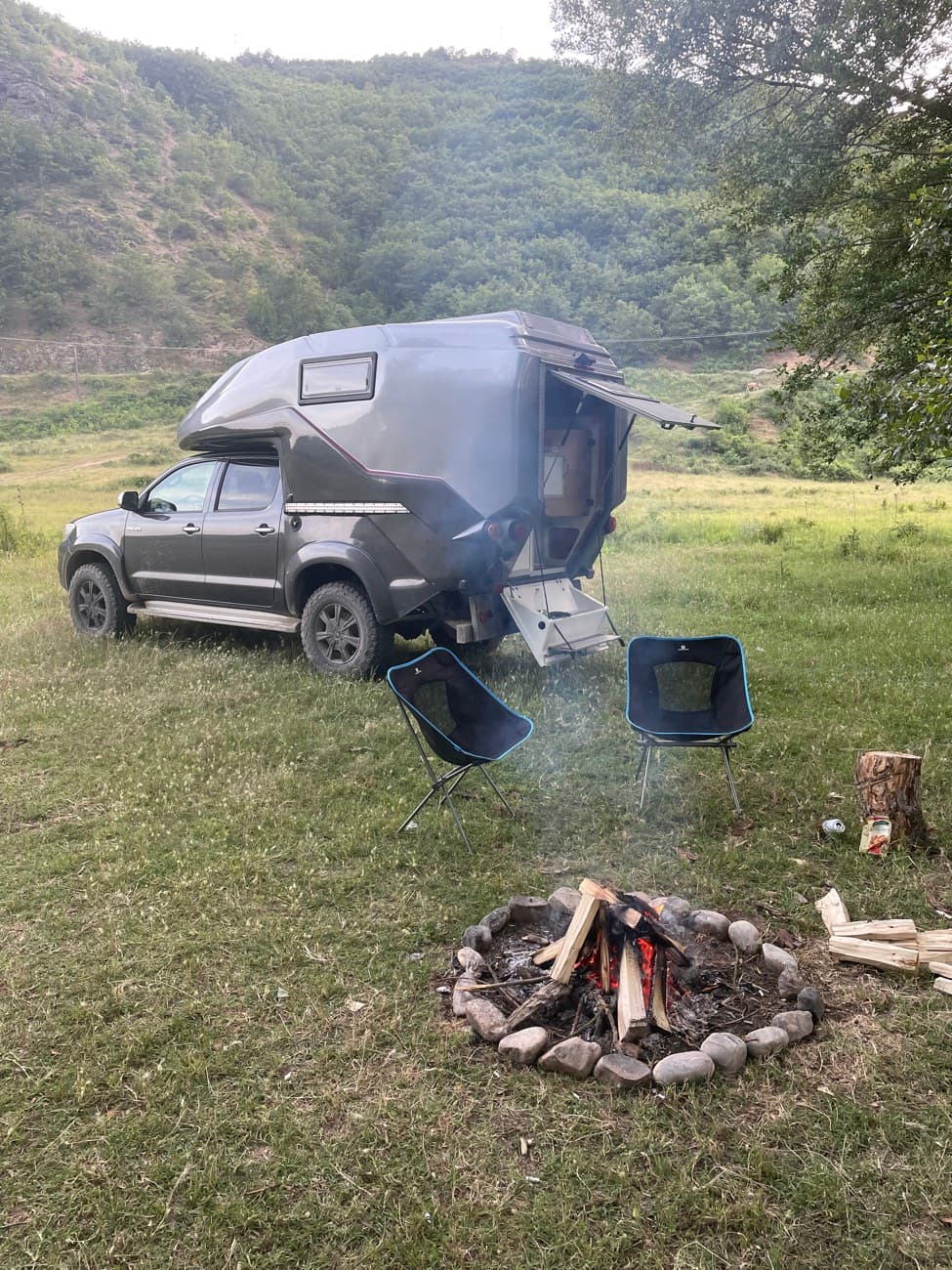
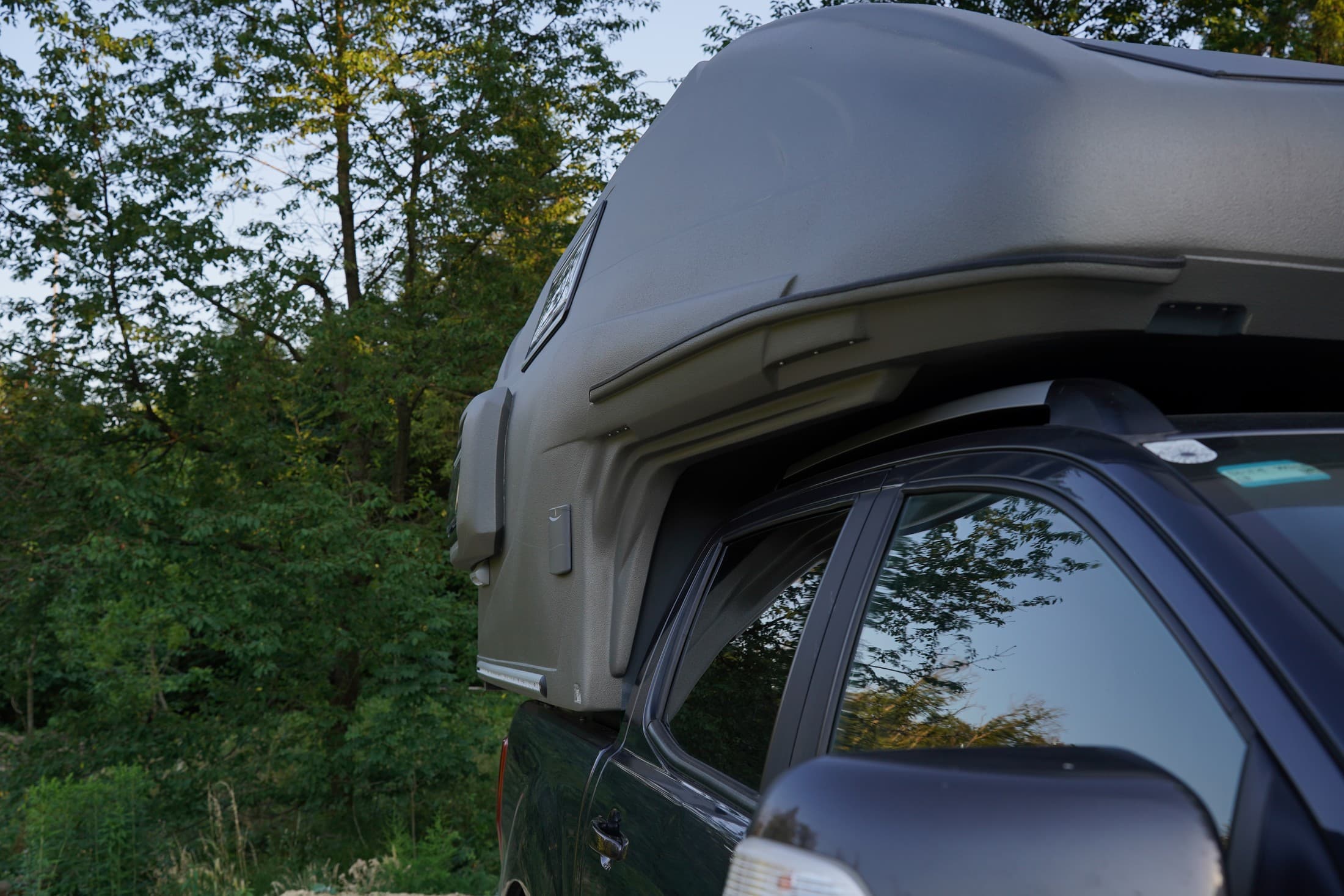
Generations of geocar campers, matured over the years, unchanged at the core: a one-piece shell.
Craft
Premium means proof, not claims.
We do not talk about 'highest quality'. Depending on the model we show 380 to 440 kg, a seamless GFRP shell, furniture in GFRP combined with fine marine plywood, and a design that is unique in function and appearance.
And because we have driven our own campers for years, we know what matters after 100,000 kilometres: quality through experience.